Platform for Social Development
and Innovation
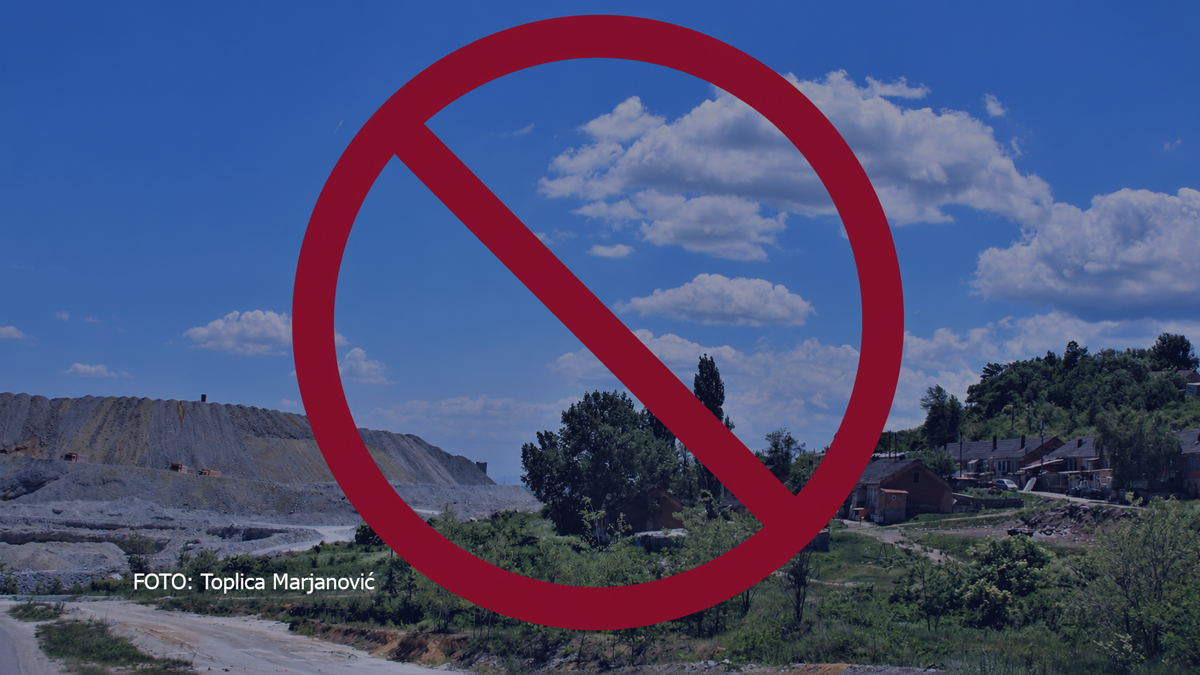
Immediately suspend the early public review and repeal the Decision to Prepare the Spatial Plan for the Special Purpose Area of the “Jama Bor” Mine – Phase II of Mine Development
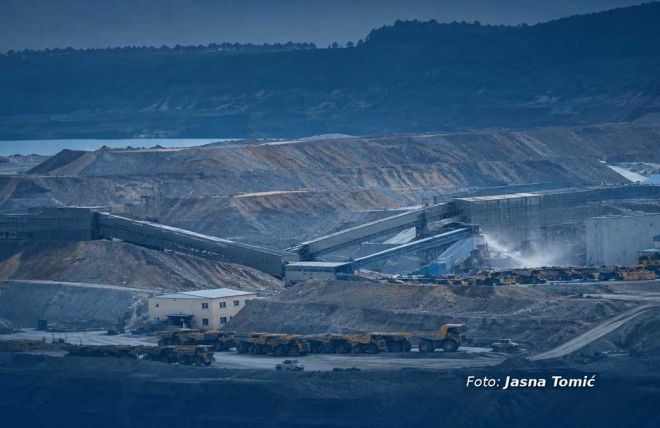
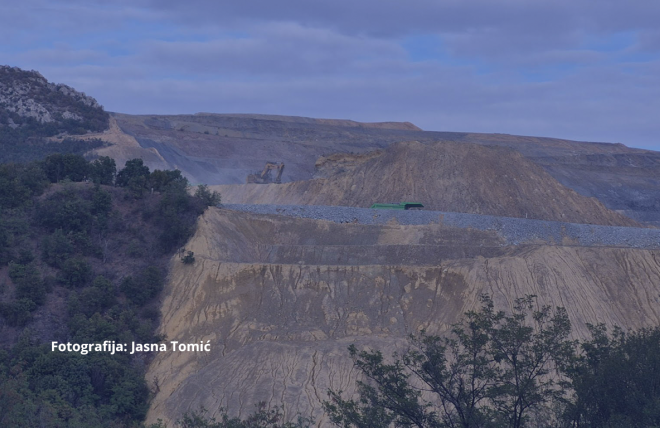
The early public review of the Spatial Plan for the Special Purpose Area of the “Jama Bor” Mine (Phase II of Mine Development) must be suspended immediately, and the decision to prepare it must be repealed without delay. The review is currently being conducted by the Agency for Spatial and Urban Planning, while the plan’s preparation is financed by Zijin Copper. The proposed mine expansion directly threatens Bor’s city centre, yet its further development is once again being planned without a comprehensive spatial plan for the Bor–Majdanpek Mining Basin. Of particular concern is the fact that the early public review began on 26 October, just one day after the parliamentary elections in which the incumbent government lost the confidence of the electorate, while the caretaker Government, lacking democratic legitimacy to take far-reaching decisions, continues procedures that could permanently affect the lives, health and property of the people of Bor.
Author: Jasna Tomić
Zijin Copper’s mining activities in Bor and Majdanpek have already had devastating consequences for the environment and for people’s rights and property. It is therefore essential to halt further mine expansion, carry out regulatory inspections of existing facilities and stop all activities being undertaken without the necessary authorisations. The competent authorities must ensure compliance with environmental and human rights laws and standards.
The plan envisages further development of the underground mine using caving methods beneath Bor’s old city centre, which contains residential buildings, educational, healthcare and religious facilities, as well as infrastructure essential to the functioning of the city. It also provides for the construction of a new flotation plant. Yet the plan is being prepared on the basis of the Spatial Plan of the Republic of Serbia for 2010–2020 and the 2011 Regional Spatial Plan for Timočka Krajina. Planning further mine expansion on the basis of documents whose time frames and strategic outlook are long out of date constitutes a clear abuse of the spatial and urban planning system and exploits weaknesses in the rule of law.
As far back as 2014, the Serbian Government adopted a decision to prepare the Spatial Plan for the Special Purpose Area of the Bor–Majdanpek Mining Basin, covering the entire territory of the City of Bor and the Municipality of Majdanpek. This plan was intended to establish a unified framework for spatial development and the construction of mining facilities and installations, taking into account the impacts of mining activities on the environment, settlements and people’s rights. However, the plan was never adopted, and in April 2026 the Serbian Government once again adopted a decision to prepare it, as though the preceding twelve years had never happened.
While the Serbian Government and the Ministry of Construction persistently delayed the preparation of the spatial plan for the special purpose area of the Bor–Majdanpek Mining Basin, Zijin Copper’s mining activities expanded unhindered, taking advantage of legal loopholes and the willingness of Serbian state authorities to ignore the numerous violations of the law that the company has committed and continues to commit.
Instead of adopting a comprehensive plan addressing mining development, environmental protection, population resettlement and the protection of people’s rights, the authorities have allowed Zijin Copper and Zijin Mining to expand their mining activities on the basis of piecemeal planning documents covering individual parts of the Bor–Majdanpek Mining Basin. In this way, spatial planning is being tailored to the particular interests of investors, rather than setting clear conditions and limits for mining development in the area.
Serbia’s state institutions and the officials employed in them have become instruments for serving the interests of the Chinese company Zijin, rather than protecting people’s property and rights. It is time to put an end to this conduct and ensure that procedures for preparing spatial and urban plans serve sustainable development rather than development driven by investors’ interests.
Statements made by Zijin Copper’s representatives in proceedings concerning economic offences further confirm that the company places its production plans above compliance with the laws of the Republic of Serbia. In those proceedings, its representatives justified unlawful works by invoking the urgency of expanding the mine and increasing production.
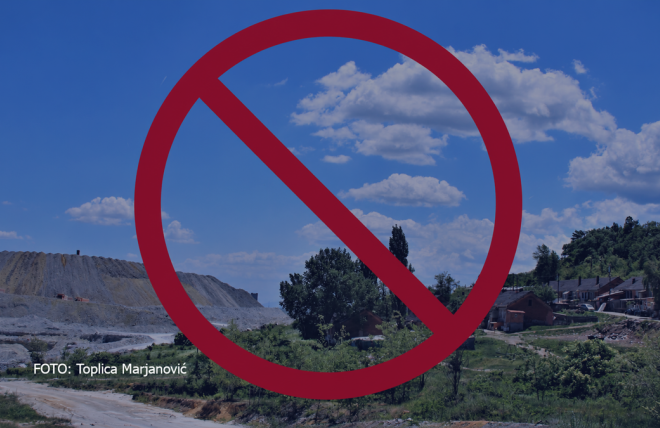
The proposed spatial plan covers almost one third of Bor’s city centre. If the practice of planning “tailored to investors” continues, thousands of people could be exposed to the risks already faced by residents of Krivelj, Oštrelj, Slatina, Metovnica and other settlements directly affected by mining activities.
Adopting the Spatial Plan for the Special Purpose Area of the “Jama Bor” Mine through the process being conducted by the Agency for Spatial and Urban Planning is not in the public interest.
We therefore call on the professional community, civil society organisations and all citizens of the Republic of Serbia to support the demand to suspend the early public review and repeal the Decision to Prepare the Spatial Plan for the Special Purpose Area of the “Jama Bor” Mine – Phase II of Mine Development.
You can support this initiative by completing the short online form HERE.
Thank you for your support!
Platform for Social Development and Innovation (CORE)
New Planning Practice
Environment Improvement Centre
Belgrade Open School
Young Researchers of Serbia
Timočka Buna
Maja Stanković Ivanov
Centre for Experiments in Urban Studies (CEUS)
A 11 – Initiative for Economic and Social Rights
Belgrade Centre for Human Rights
Regional Association of Private Forest Owners RAŠ “Omorika”, Priboj
Center for Green Politics
Toplica Marjanović, retired engineer (Dipl. Eng.)
Bogdan Šolaja, chair of the Academy Board “The Environment”, Serbian Academy of Sciences and Arts
Polekol – Organization for Political Ecology
Dmitar Lakušić, Faculty of Biology, University of Belgrade
Dr Dragana Đorđević, principal research fellow and head of the Center of Excellence for Environmental Chemistry and Engineering, Institute of Chemistry, Technology and Metallurgy (ICTM), University of Belgrade
Ne dam Nu dau Citizens’ Association
Margareta Lakušić, researcher, University of Porto
Nuclear Perspective (Nuklearna perspektiva)
Branislava Lakušić, retired professor, University of Belgrade
Imre Krizmanić, associate professor, Faculty of Biology, University of Belgrade
Eco East Citizens’ Association (Eko Istok)
Slobodan Jerotić, Šabac Local Action Group (LAG Šabac)
Vidak Lakušić, PhD student, Faculty of Biology, University of Belgrade
Young Farmers of Serbia (Mladi poljoprivrednici Srbije)
Padina Environmental Movement (Ekološki pokret Padina, EKOP)
Ana Vuković Vimić, full professor, Faculty of Agriculture, University of Belgrade
Ivan Pelić
Ivona Cokić
Professor Nikola Cvetanović, PhD, University of Belgrade
Aleksandra Stanković
Milina Marić, specialist pharmacist, Belgrade Pharmacy (Apoteka Beograd)
Tanja Arsić, lawyer
Andrea Besedeš Nađ
Jovana Devetaković
Milica Vasiljevic Blagojević
Vesna Spasojević Brkić
Saša Stojanov
Aleksandra Perkov, physician, Kragujevac Primary Health Care Centre (Dom zdravlja Kragujevac)
Zoran Đajić, geological engineer (Dipl. Eng.)
Gordana Živanović, nurse with a higher education qualification (VMS), master’s degree in healthcare management
Sanja Kekić, candidate, Student List – Students Are Winning
Vladimir Đurđević, full professor, Faculty of Physics, University of Belgrade
Non-Aligned Environmental Movement (Ekološki pokret nesvrstanih)
Ana Janković
Ekonaut
Milica Stevanović
Milica Lukić Petrović, research associate, Faculty of Geography, University of Belgrade
Green Transition Association
Zoran Ilic, employee, LCP Logistic
Pro.Tok21
Bojana Grujić
Ranka Gajić, Faculty of Transport and Traffic Engineering, University of Belgrade
Vasilije Matijašević, research trainee
Ministry of Space collective
Stefan Stefanović, lawyer
Jovana Jović
Blue and Green Platform (Plavo i zeleno)
Alliance of Environmental Organizations of Serbia (SEOS)
Local Response (Lokalni odgovor)
First, First on the Scale Citizens’ Association (Prvi prvi na skali)
Katarina Đurđević
Dijana Radojković, education specialist and certified Positive Discipline educator
Snežana Trifunović
Žužana Taloš Kosanić, art teacher
Dragan Tomaš
Milica Vasiljević
Aleksandra Ristić, teacher, Mechanical and Electrical Engineering Secondary School, Bor (MEŠ)
Milena Radojčić
Violeta Domanović
Vojislava Crnjanski Spasojević
Snežana Kovačević
Nevena Milenković
Raško Ravić
Anđa Nikolić
Dina Stanković
Lidija Ivanović
Jelena Jašić
Marija Kralj
Goran Vidaković
Andreja Trajković
Draga Mitić
Danica Kilibarda Jevtić
Vesna Vesić
Sunčica Jergović
Zorica Trifunova
Sonja Jerković
Nikola Maksimović Berković
Nataša Milanov
Anđela Tošić
Biljana Berković
Slavica Jovanović, New Belgrade Neighbourhood Assembly (Blokovski zbor)
Marijana Radulović
Stane Radulović, member of the Green-Left Front (ZLF)
Ivana Bogdanov
Danilo Bucan
Branko Vrhovac, teacher
Bratislav Smičković, professor
Stana Simić
Bojana Maksimović
Milena Krstic Obradović, citizen
Jelena Kaplarević Bukvić
Stefanija Radulović
Milena Tomić
Ivana Drljić, environmental activist
Suzana Jovanović-Šanta
Ivana Marković
Kristina Spasić, teacher
Milica Adamović, ecologist
Miloš Janošević, PhD in metallurgy
Milena Ralić
Snežana Živković-Zlatanović, full professor, Faculty of Sciences and Mathematics, University of Niš
Luka Pustahija
Jovana Nikolić
Jasna Janković
Silvija Radenković
Aleksandar Janić
Petar Pašić
Višnja Ristić
Divna Gajević
Dr Ružica Trailović, retired professor, Faculty of Veterinary Medicine, University of Belgrade
Nina Uremović
Milica Malović
Radmila Pejnović Kužić
Jelena Gavranović, lawyer
Aleksandar Zarić, Faculty of Philology and Arts (FILUM), University of Kragujevac
Sonja Glišić
Jelena Arsić
Svetlana Žikić
Danka Popović
Radivoje Andrić, film director
Jelena Cerne
Miodrag Đorđević
Predrag Stevanović
Miloš Ivić
Ruza Helać, president of the Vojvodina Green Initiative
Nenad Stefanović
Maja Brnović, retired economist
Ivana Tomić, Master of Architecture, specialising in urban planning
Nebojša, Petrušić, English teacher
Veroljub Marković
Sanja Ilić, Faculty of Chemistry, University of Belgrade
Ivana Živković
Žaklina Simić
Srdjan Milić, Prilepac village, Municipality of Vlasotince, person with a disability
Ilija Smiljanić
Magda Perikleous
Bogdan Bacev
Zoran Lojanica, citizen
Bojana Špirović
Predrag Mirčetić
Marko Martinović
Vesna Popović, JAT Tehnika
Biljana Nisavić
Iva Veljović, student, Faculty of Law, University of Belgrade
Svetlana Vukasović
Mirjana Mirić
Ana Čortan
Jakov Jakovljević
Jelena Colić
Bojana Obradović
Milos Vukasović
Nikola Nuspahić
Olga Sekulić
Jasma Hrnčić
Dragana Dakić, retiree
Nataša Kovačević
Dragana Stoiljković
Zoran Češljar
Dušan Čubrilo
Rajko Stanišić, gynaecologist, Vrbas Primary Health Care Centre (Dom zdravlja Vrbas)
Jelena Gruba
Vedrana Obradović
Gordana Ostojić
Srđan Tegeltija, associate professor, Faculty of Technical Sciences, University of Novi Sad
Milica Janković
Miroslav Savanović
Vladimir Protić
Mira Korać Đorđević
Snežana Dimitrijević, independent spatial and urban planner
Sanja Mladenović
Olga Radić
Branka Gugolj, retired university professor
Mato Groznica
Milun Milićević, Kragujevac Urban Planning Public Enterprise (JP Urbanizam Kragujevac)
Kostić Lidija
Ivana Jagličić
Snežana Savić
Miloš Popović, senior research associate, Faculty of Sciences and Mathematics, University of Niš
Biljana Opačić
Zoltan Bognar
Tatjana Kenić
Marijana Petrović
Aleksandra Kovač
Dragica Mrkaljević
Nataša Harhaji
Dragoslav Alasov, retiree
Tatjana Briski
Maja Petrović
Nemanja Marcikić
Zoran Vasić
Sofija Milenković
Aleksandra Lazović
Natasa Simin, full professor, Faculty of Sciences, University of Novi Sad
Mićo Čučak
Nataša Paunović
Tanja Petrović, full professor, Faculty of Agriculture, University of Belgrade
Zoran Miladinović, president of the Serbian Association of Tour Guides (Srpsko udruženje turističkih vodiča)
Zorica Obradović Lončar, artist
Dragan Tucović, engineer
Jovanka Markuc
Dragana Božjaković
Marija Pavlović
Ljubica Vignjević
Ana Marković
Ana Stević
Bojana Gazo
Nemanja Smičiklas, assistant professor, Faculty of Applied Arts, University of Arts in Belgrade
Jasminka Stanojčić
Sonja Đorđević
Jelena Rakočević
Katarina Rakić
Miroslav Milošev
Bojana Jevtović, volunteer, Suvobor Ridge Environmental Association (Suvoborska greda)
Nataša Ivanović
Olivera Stojadinović, Faculty of Applied Arts, University of Arts in Belgrade
Tijana Jovanović
Radovan Batrićević
Branislav Nastasijević, senior research associate, Vinča Institute of Nuclear Sciences
Bojan Kovačević, president of the Academy of Architecture of Serbia