SR | EN

Blog

Spatial plan on hold as mines expand: How is mining being planned in the Bor District?

Spatial plan on hold as mines expand: How is mining being planned in the Bor District?

06. 11. 2026.

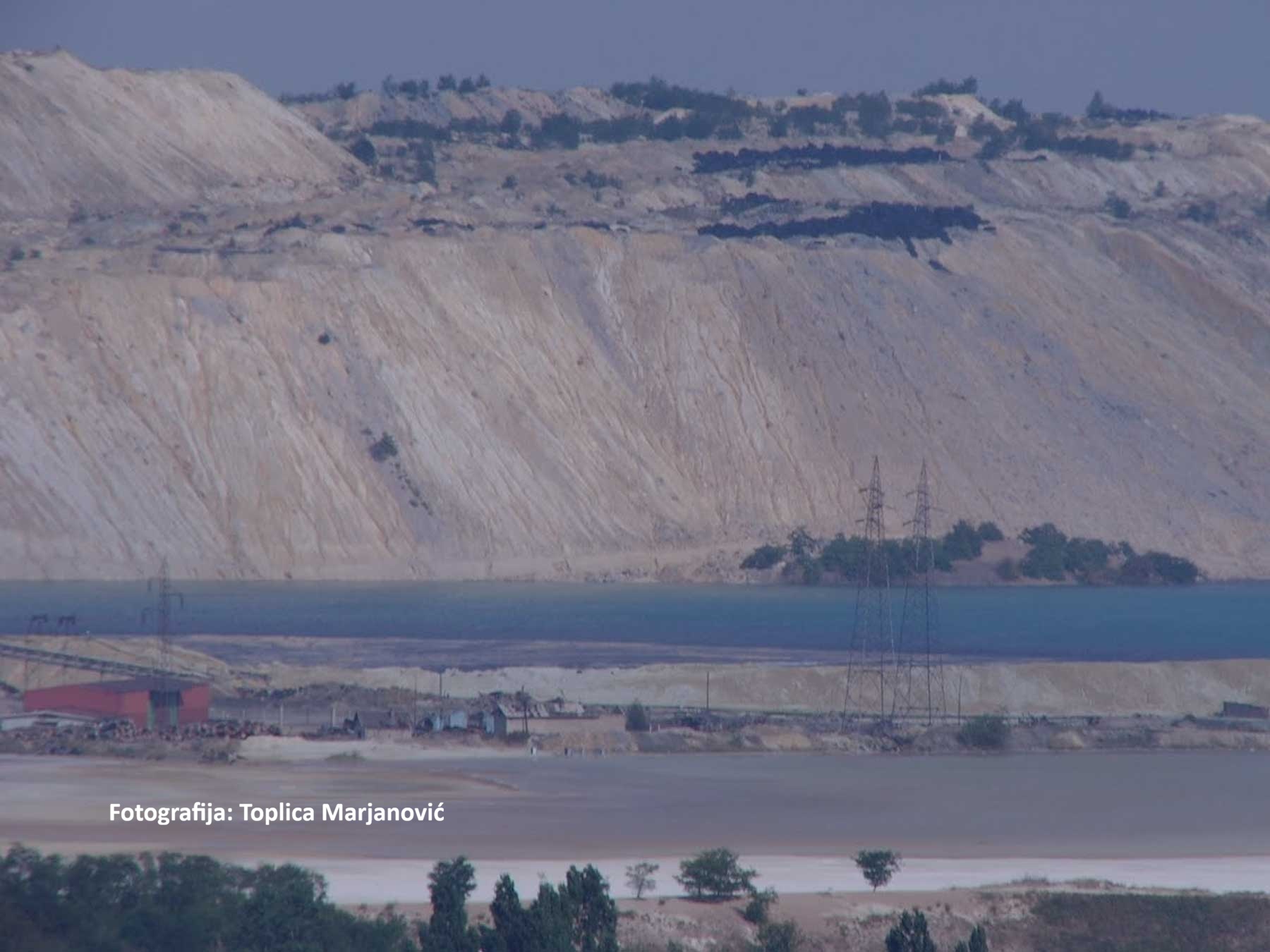
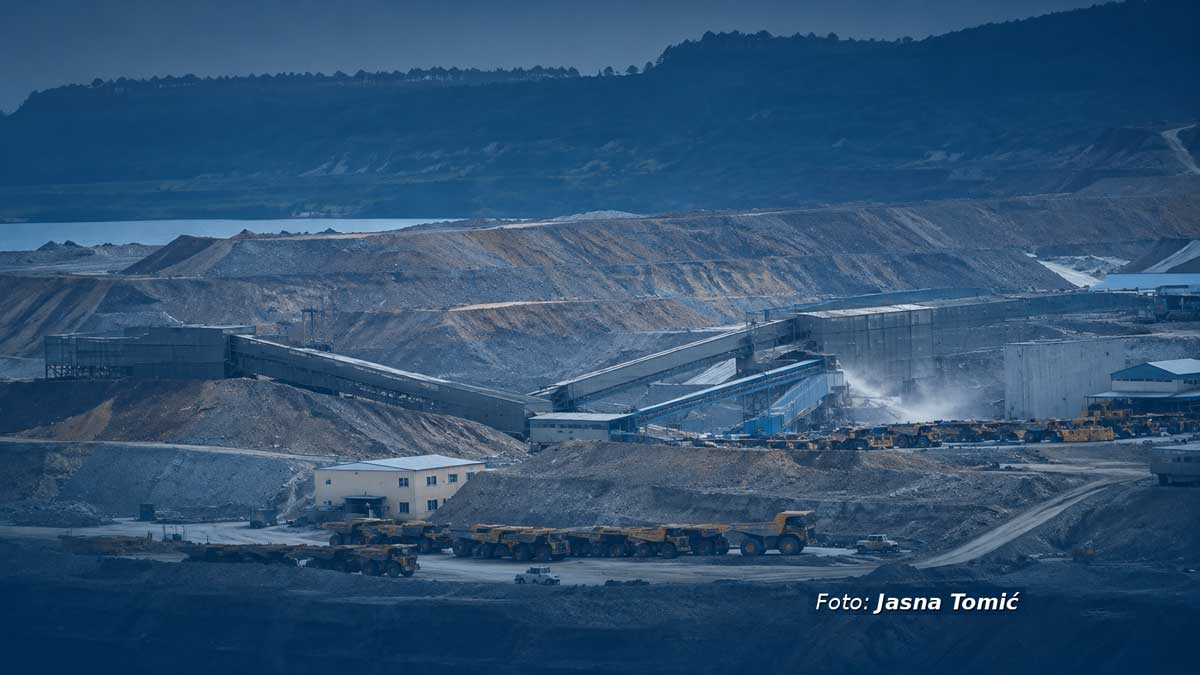
Aleksa Matović In 2014, the state initiated the preparation of the Spatial Plan for the Special-Purpose Area (PPPPN) of the Bor-Majdanpek mining basin, which was intended to cover the entire territories of Bor and Majdanpek and align mining development with other economic activities. More than a decade later, the plan has still not been adopted. Meanwhile, spatial planning has proceeded piecemeal. Instead of a single plan that would establish a long-term framework for the development of the entire basin, separate special-purpose spatial plans are being adopted for individual mining projects. Rather than guiding mining development, this approach increasingly follows the pace of exploration and the needs of investors.

Can Amendments to the Law on the Use of Renewable Energy Sources Remove Barriers to Solar Energy Development in Serbia?

Can Amendments to the Law on the Use of Renewable Energy Sources Remove Barriers to Solar Energy Development in Serbia?

24. 07. 2026.

To take an important step towards increasing the use of renewable energy, we need to look up - to the rooftops of our homes, schools, hospitals, and factories. If Serbia is serious about expanding renewable energy, it must remove the administrative barriers that currently prevent citizens, businesses, and public institutions from generating their own electricity. The rules introduced by the European Union through the Renewable Energy Directive do not call for lower safety standards - they call for less bureaucracy for small-scale solar installations whose construction poses no threat to the public interest.

Why Health Impact Assessment Matters for Industrial Pollution Control

Why Health Impact Assessment Matters for Industrial Pollution Control

24. 06. 2026.

Prim. Dr Elizabet Paunović Health impact assessment should form an integral part of industrial pollution control and integrated permitting procedures. Yet the existing regulatory framework still does not treat health risks as a distinct area of assessment, nor does it require public health institutions to participate in decisions that may directly affect the health of local communities.